Games and settings that grow with your child
What matters at each stage, good games to start with (every PEGI rating checked), and how to hand over a little more freedom at a time.
Under 7s
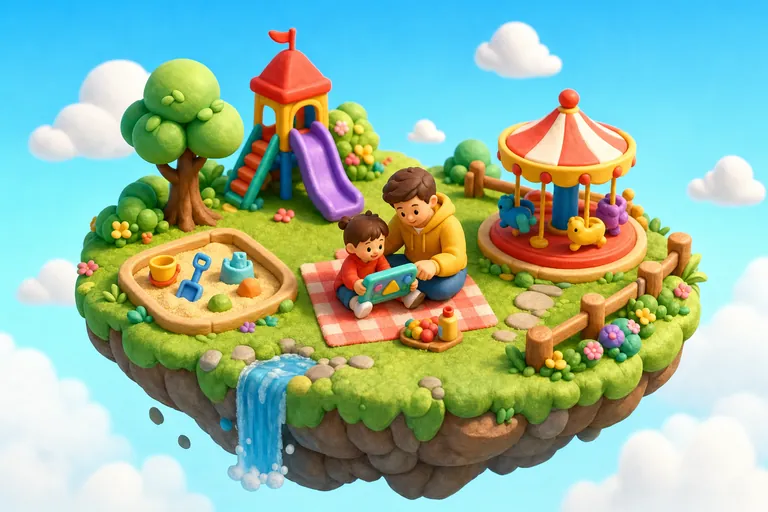
The first games a small child plays are less about the game and more about the habits around it: where the console lives, who holds the other controller, and how a session ends. Get those right and the rest is mostly fun.
Ages 7–9
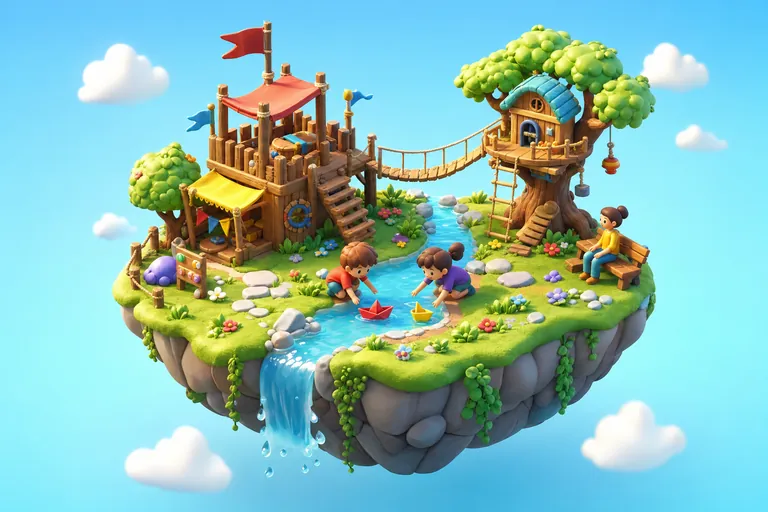
Somewhere between seven and nine, games stop being something you play with your child and become something they talk about at school. Reading improves, friendships matter more and the first requests for online games arrive. It's a good time to set up accounts that can grow with them.
Ages 10–12
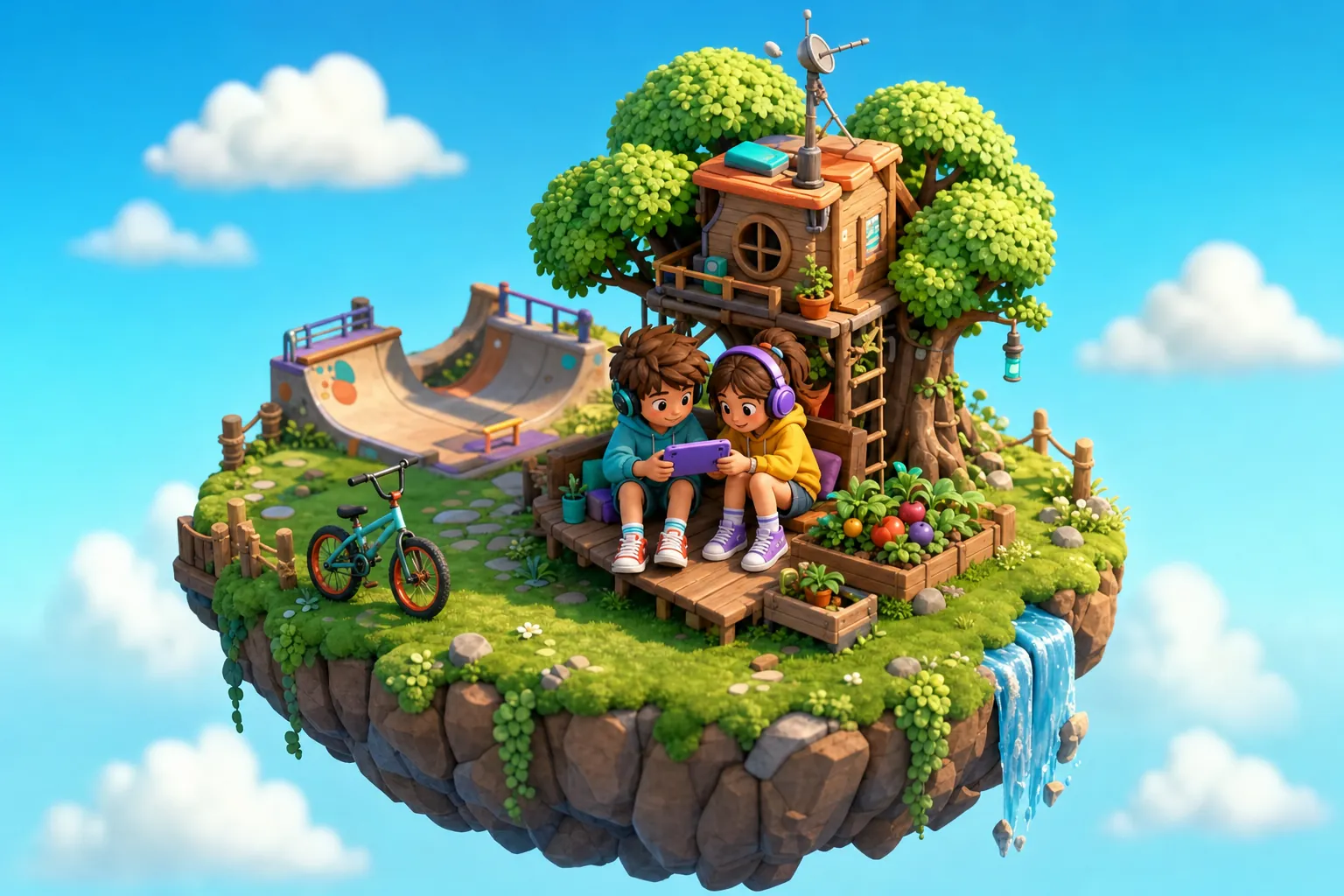
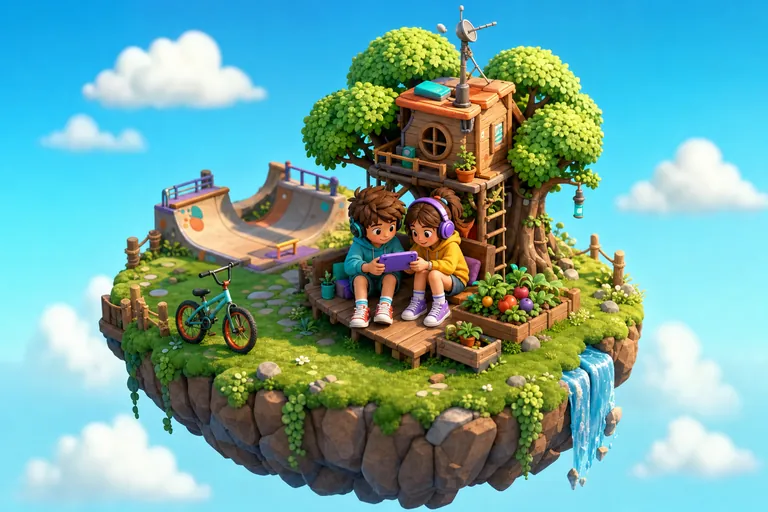
Between ten and twelve, gaming becomes social. Games are where friendships carry on after school, often with a headset on. Children want more independence, and they can handle more, as long as the settings around them have kept up.

Ages 13–15
Teenagers want, and need, more say over their own gaming. The job shifts from setting rules to agreeing them: fewer locks, more conversations, and a clear plan for the games that are rated above their age.